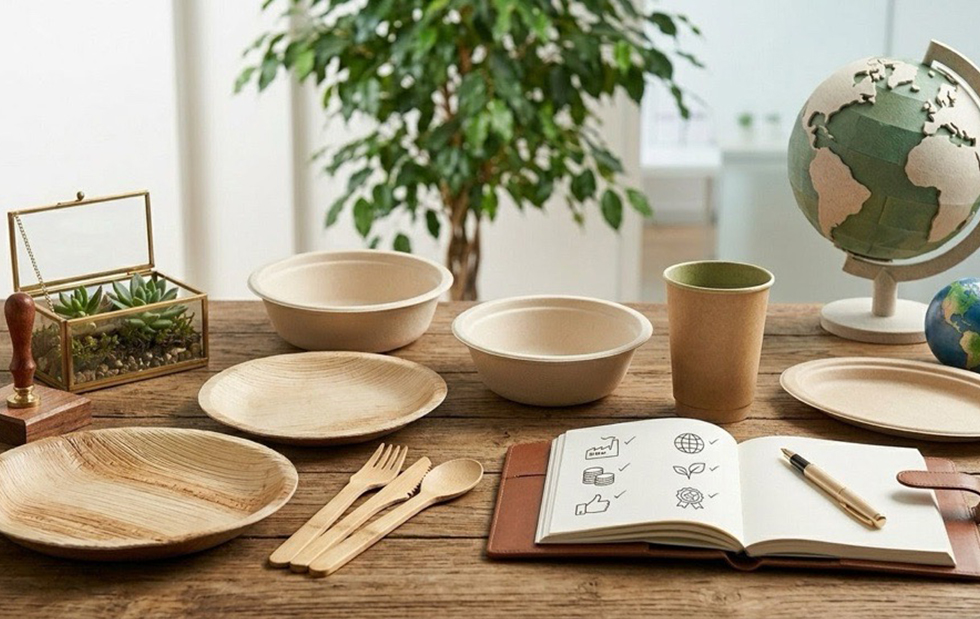
As the food industry rapidly shifts toward eco-friendly packaging, restaurants and takeaway businesses are rethinking their choice of disposable tableware. Bagasse plates, made from sugarcane pulp, have become a leading alternative to plastic and low-quality paper plates. They are not only biodegradable and compostable, but also designed to handle real food service conditions—something that many businesses initially doubt until they experience the difference.
For restaurants, packaging is not just about serving food—it directly impacts customer experience, brand perception, and operational efficiency. This is why choosing the right type of bagasse plates is more important than simply choosing bagasse as a material.
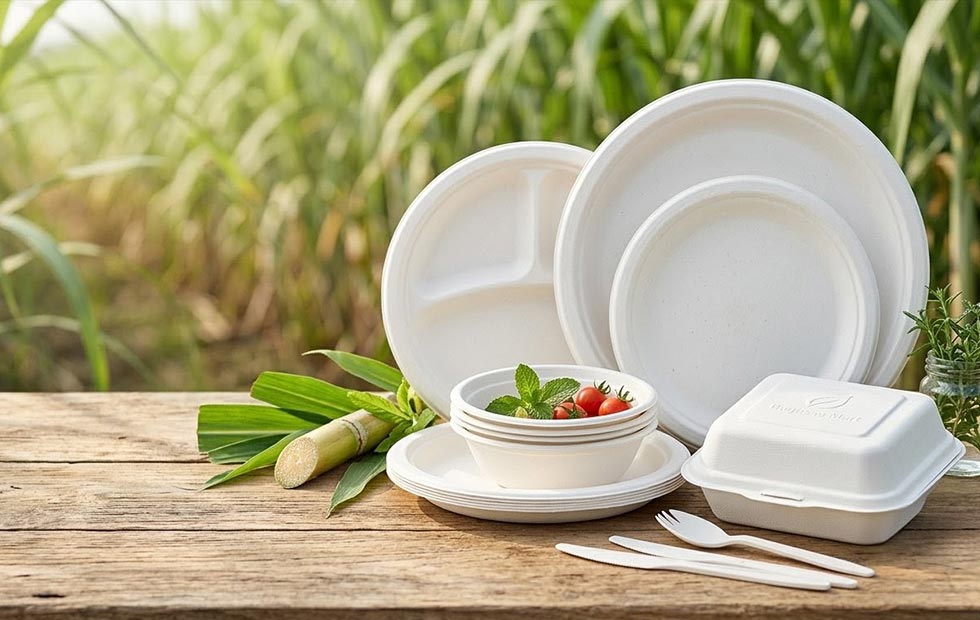
One of the most commonly used options in restaurants is the round bagasse plate, typically ranging from 6 to 10 inches. These plates are ideal for dine-in settings, snacks, and light meals. They offer a clean, minimal presentation while maintaining enough strength to hold hot and oily food without bending. Unlike paper plates, they do not become soggy, which makes them far more reliable for everyday use in cafes and quick-service restaurants.
For takeaway and delivery-focused businesses, the requirements are different. Food needs to travel without spilling, mixing, or losing its presentation. This is where compartment bagasse plates become highly useful. These plates are designed to separate different food items, making them perfect for full meals, thalis, and combo dishes. They improve customer satisfaction because the food arrives in better condition, without sauces mixing or textures being compromised.
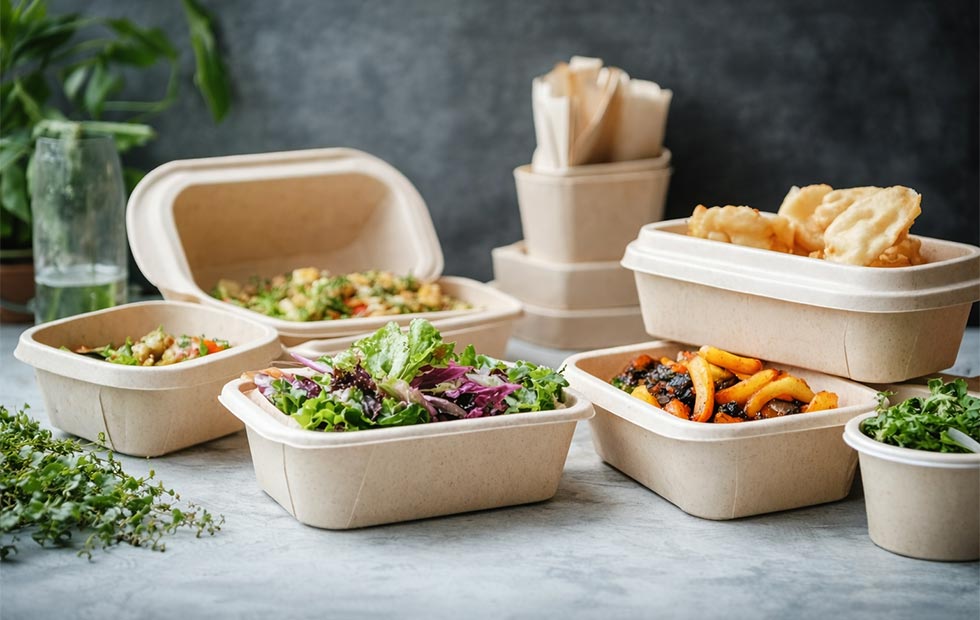
In more demanding takeaway scenarios—especially where food is heavy, oily, or involves longer delivery times—standard plates may not be enough. Many businesses are now opting for heavy-duty bagasse plates, which are thicker and more rigid. These plates are built to handle larger portions and maintain their structure during transport. For delivery brands and cloud kitchens, this can significantly reduce complaints related to leakage or damaged packaging.
Another increasingly popular option is the use of bagasse clamshell containers. While technically not plates, they play a crucial role in takeaway packaging. These containers provide better protection, secure closure, and a more premium feel. For businesses focused on branding and customer perception, this small upgrade in packaging can make a noticeable difference.
Choosing the best bagasse plates ultimately depends on the type of food you serve and how you serve it. A dine-in restaurant may prioritize presentation and convenience, while a takeaway business will focus more on durability and transport safety. In many cases, the most effective approach is to use a combination of different formats rather than relying on a single type.
What’s driving the rapid adoption of bagasse tableware is not just environmental awareness, but also its practical advantages. High-quality bagasse plates offer excellent heat resistance, leak protection, and structural strength, making them suitable for a wide range of cuisines—from dry snacks to heavy, gravy-based meals. At the same time, they align with global trends as more countries implement plastic bans and sustainability regulations.
From a business perspective, packaging is becoming part of the brand itself. Customers today are more conscious of what they receive along with their food. Strong, eco-friendly packaging sends a signal of quality and responsibility. This is one of the reasons why many restaurants are gradually moving away from both plastic and traditional paper plates.
An important factor that often gets overlooked is the role of the supplier. Consistency in quality, proper thickness, and reliable bulk supply can make a significant difference in daily operations. Experienced suppliers usually go beyond just delivering products—they help businesses choose the right formats, ensure consistent production, and support smooth scaling as demand grows. This kind of partnership becomes valuable over time, especially for businesses aiming to expand or maintain a strong reputation.
In conclusion, the best bagasse plates for restaurants and takeaways are not defined by a single type, but by how well they match your operational needs. Whether it’s round plates for dine-in, compartment trays for meals, or clamshells for delivery, the right choice enhances both functionality and customer experience.
As the demand for compostable tableware and sustainable food packaging continues to grow, bagasse is no longer just an alternative—it is quickly becoming the standard for modern food businesses looking to combine performance with responsibility.
👉 Follow us on LinkedIn for more insights:
Visit Our LinkedIn Page