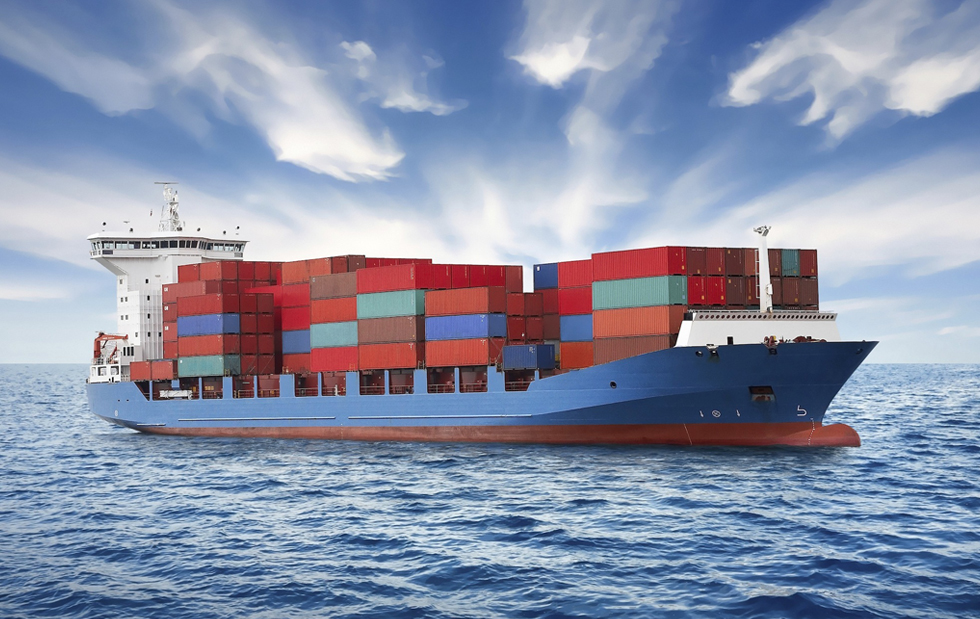
1. Understand the Product & Market Demand
Before importing, get clarity on:
- Product range: plates, bowls, clamshells, trays, cutlery
- Certifications: FDA, LFGB, BPI, compostability standards
- Target market needs: bulk packaging, custom branding, durability
Use keywords like “biodegradable tableware,” “compostable food packaging,” and “eco-friendly disposable plates” when researching trends and demand in your region.
2. Find Reliable Bagasse Tableware Manufacturers in India
This is the most critical step.
Look for suppliers who offer:
- Export experience (very important)
- Consistent quality control
- Custom packaging & branding options
- Bulk production capability
You can find suppliers via:
- B2B platforms (Alibaba, IndiaMART)
- Google search (e.g., bagasse tableware manufacturers India)
- Google search (e.g., bagasse tableware manufacturers India)
Shortlist 3–5 suppliers and compare pricing, MOQ (minimum order quantity), and certifications.
3. Request Samples Before Bulk Order
Never skip this step.
Check for:
- Strength & durability (hot/cold resistance)
- Finish & appearance (no rough edges)
- Leak resistance (for food applications)
- Packaging quality
This ensures you avoid costly mistakes when importing large quantities.
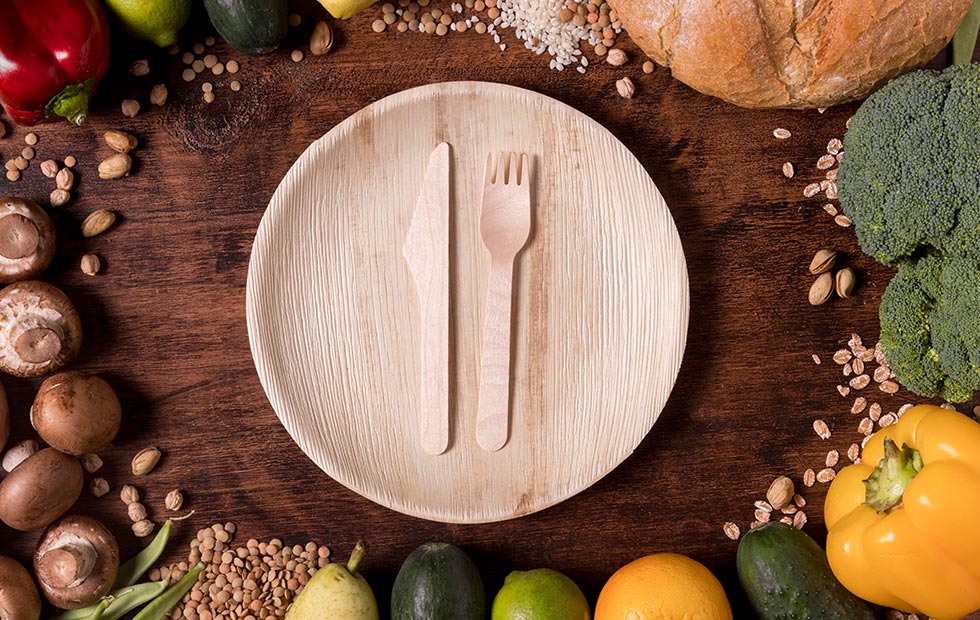
4. Understand Pricing & Cost Structure
Your landed cost includes:
- Product cost (per piece)
- Packaging cost
- Freight (sea or air shipping)
- Customs duty & taxes in your country
- Local delivery charges
India is competitive in pricing, but always compare FOB (Free on Board) vs CIF (Cost, Insurance, Freight) quotes
5. Finalize Order & Terms
Once satisfied, finalize:
- Product specifications (size, GSM, design)
- Quantity (MOQ)
- Payment terms (usually 30% advance, 70% before shipment)
- Delivery timeline
Use a Proforma Invoice (PI) for clarity and documentation.
6. Ensure Certifications & Compliance
Different countries require different certifications:
- USA → FDA compliance
- Europe → LFGB, EN standards
- Australia → Food safety certifications
Ask your supplier for:
- Test reports
- Compostability certificates
- Export documentation
This is crucial for smooth customs clearance.
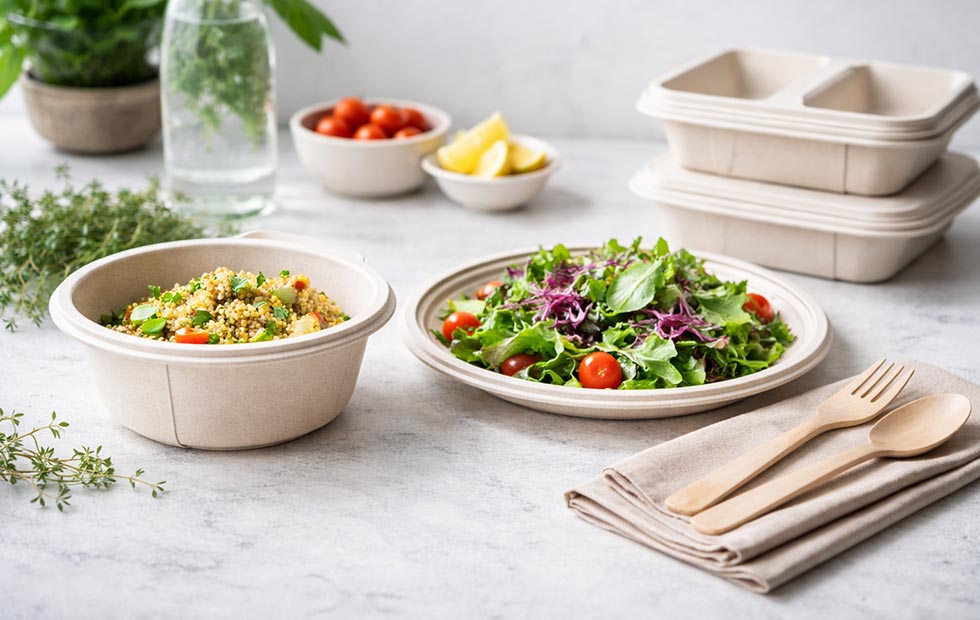
7. Manage Logistics & Shipping
Choose between:
- Sea freight (cost-effective for bulk orders)
- Air freight (faster but expensive)
Important documents required:
- Commercial Invoice
- packing List
- Bill of Lading
- Certificate of Origin
Work with a freight forwarder to handle customs clearance and shipping efficiently.
8. Track Shipment & Handle Customs
Once shipped:
- Track your cargo
- Prepare import duties and documentation
- Coordinate with customs broker
Delays usually happen due to incomplete documentation, so double-check everything.
9. Receive & Inspect Goods
After delivery:
- Inspect product quality
- Check for damages
- Verify quantity
If you plan to scale, build a long-term relationship with your supplier for better pricing and priority production.
10. Scale with Private Labeling & Branding
Once initial imports go well, you can:
- Add your brand logo on packaging
- Customize product designs
- Build a sustainable product line
This is where importers move from trading to building a brand.
Final Thoughts
Importing bagasse tableware from India is a highly profitable and future-proof business, especially with rising bans on plastic worldwide.
India offers not just cost advantages, but also a strong ecosystem of manufacturers who understand global export standards and support buyers throughout the process.
👉 Follow us on LinkedIn for more insights:
Visit Our LinkedIn Page